
Pulses
Research and plant breeding of pulses at ID GRAIN
Plant breeding is a key factor in increasing plant-based protein production and meeting current consumer demand. At ID GRAIN, we focus our efforts on the selection and development of chickpeas, beans, maple peas and lentils.
Our goal is to develop solutions that meet the expectations of both manufacturers and consumers, while improving the agronomic performance of these crops. Our breeding program aims to improve yields, disease resistance and the technological quality of grains.
Thanks to our expertise in genetic research and our network of partners, we contribute to increase the diversity available to producers and to adaptating to market demands.

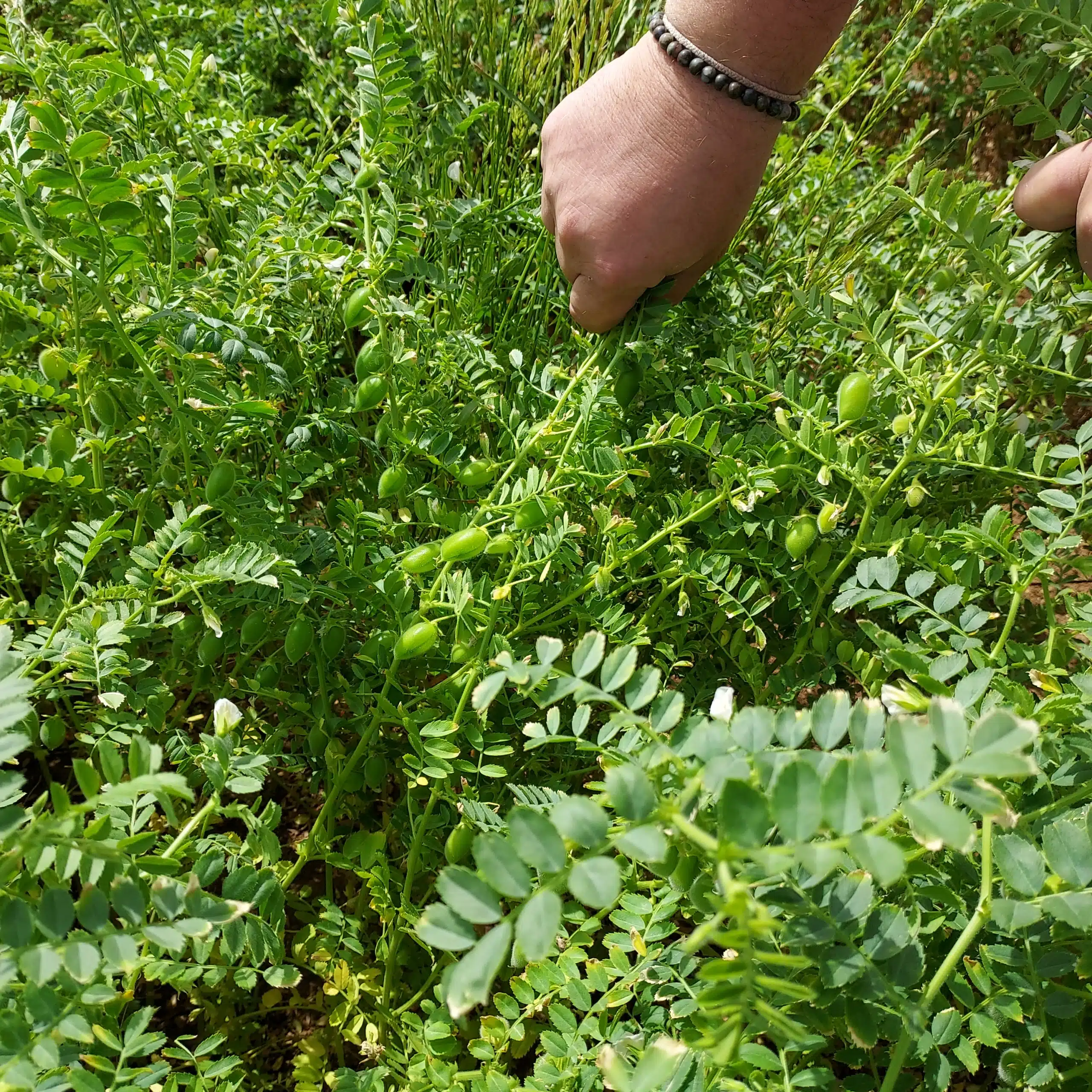
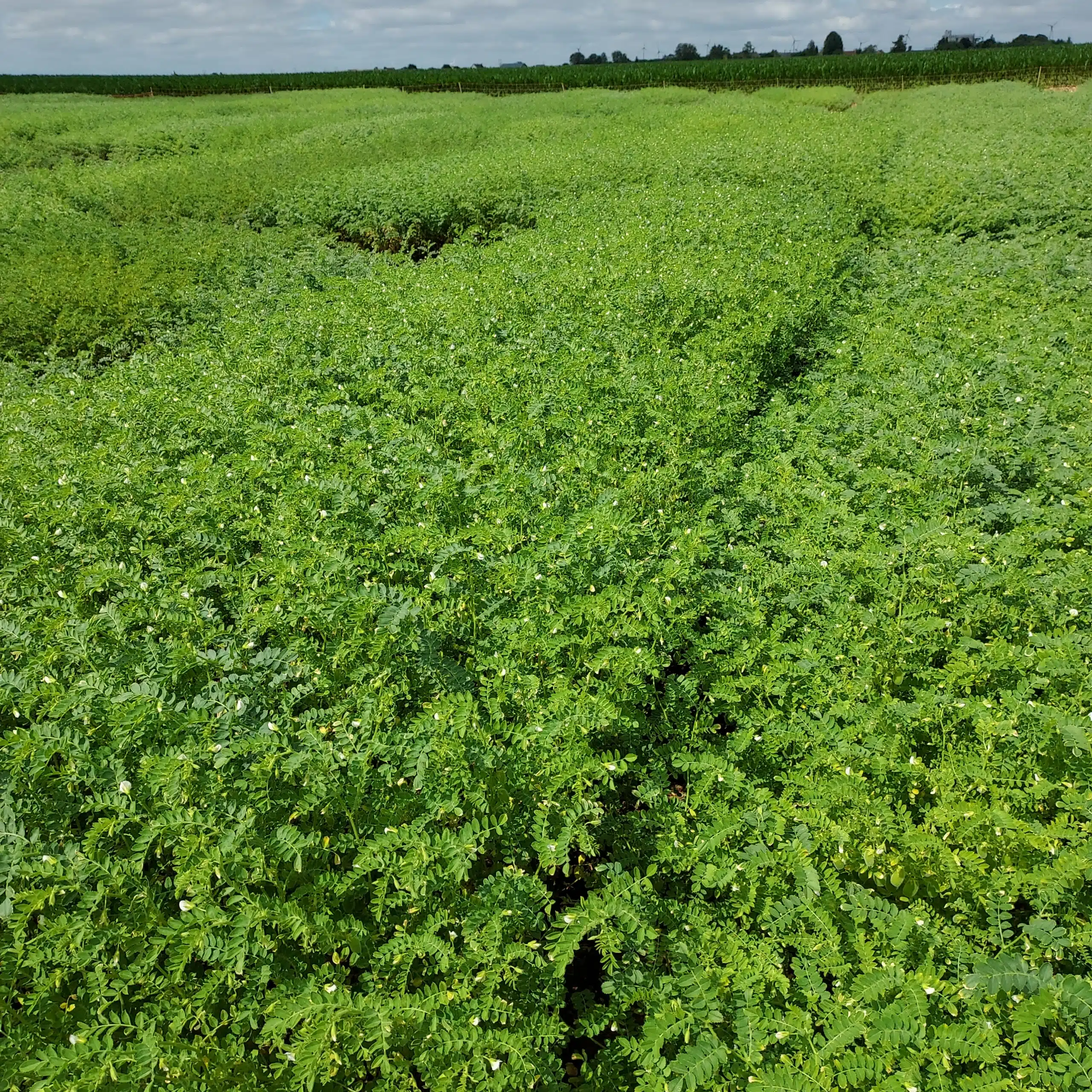
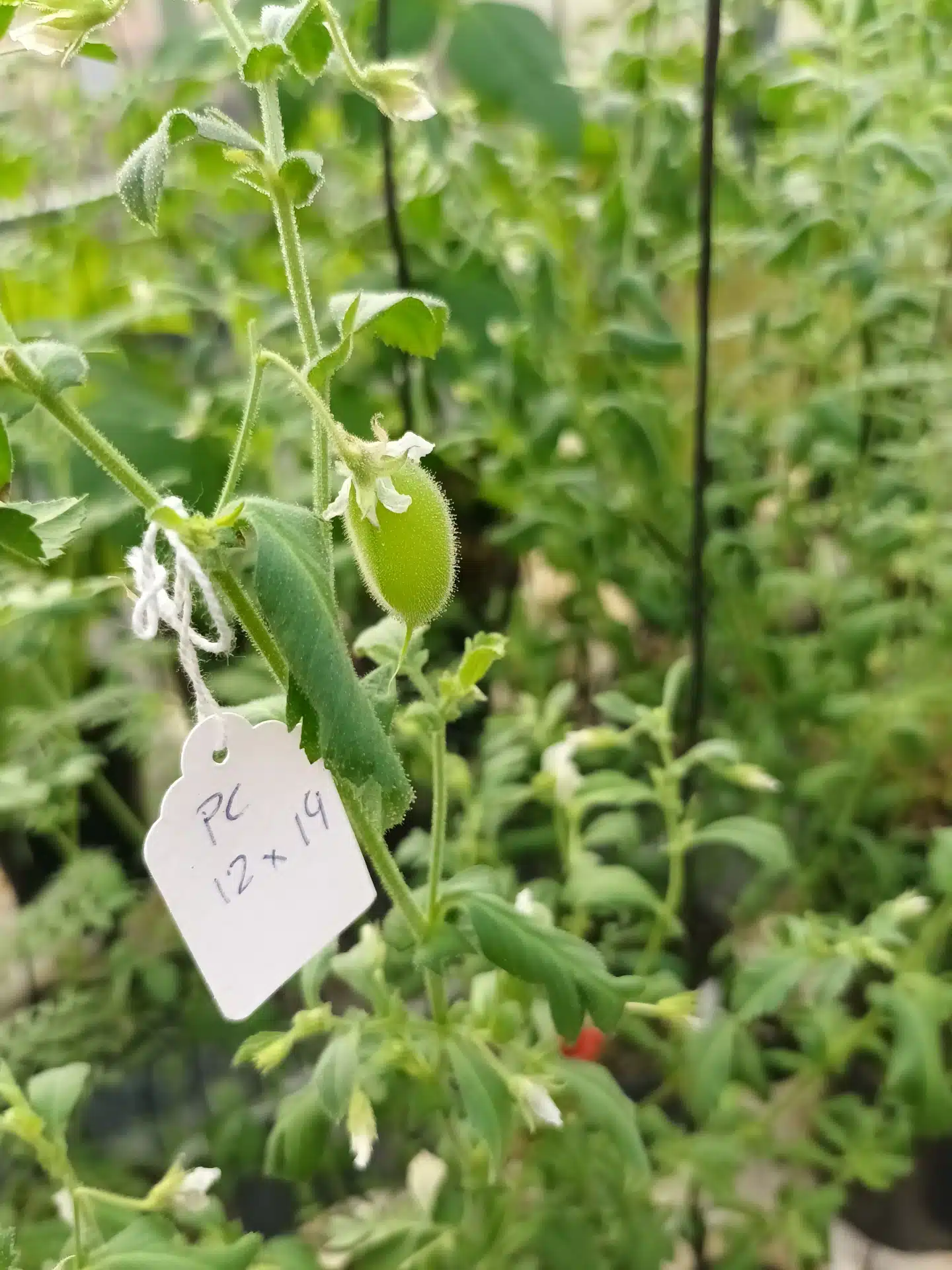
Chickpeas
ID GRAIN focuses on improving resistance to diseases (ascochyta blight), tolerance to agro-climatic stresses and adaptation to french and european growing conditions. ID GRAIN also works on enhancing the technological qualities of grains.
We provide a solution to the various specific needs of the pulse production chain : large-caliber chickpeas, canning, flours and ingredients, desi chickpeas, …
Beans
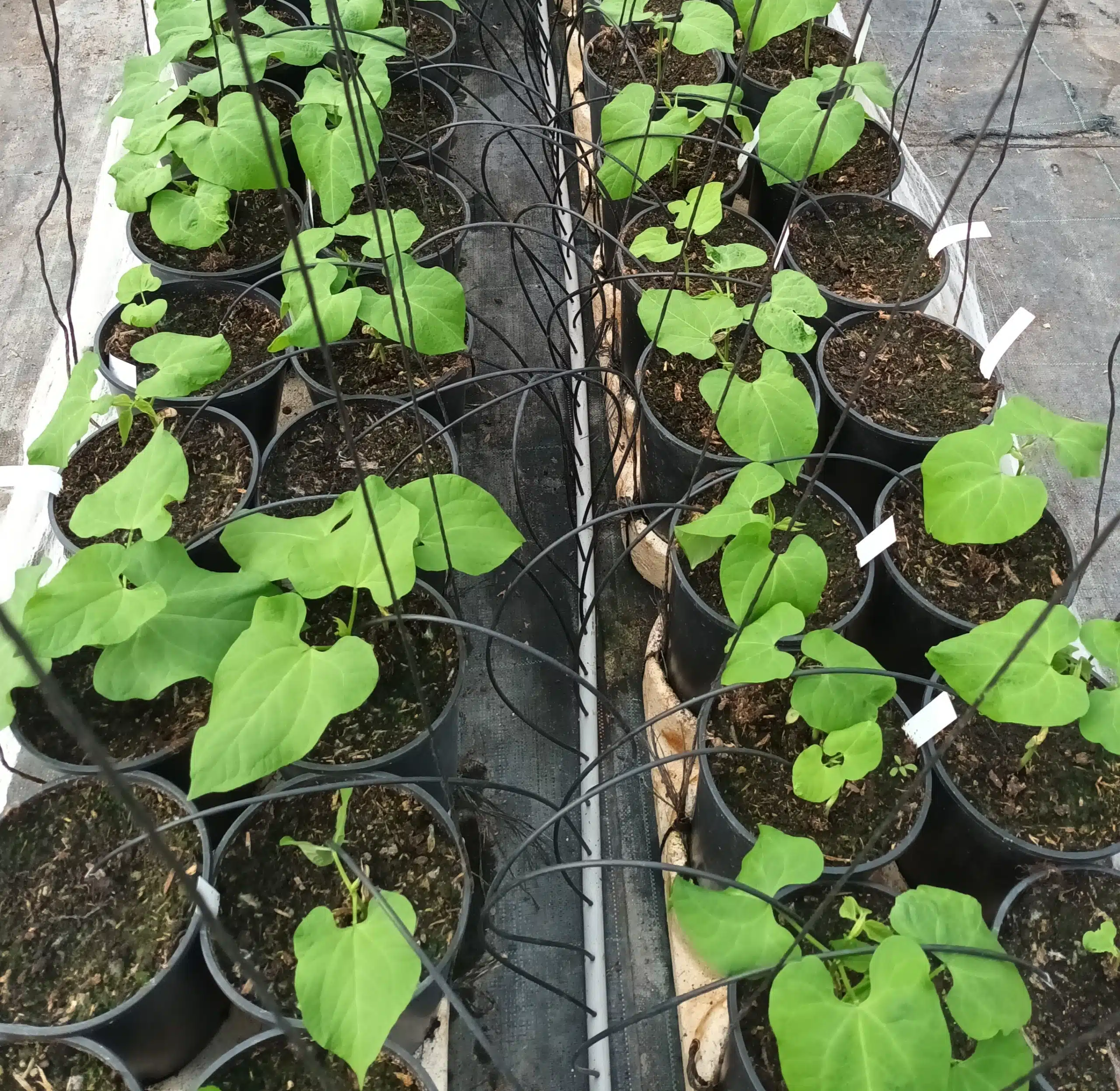
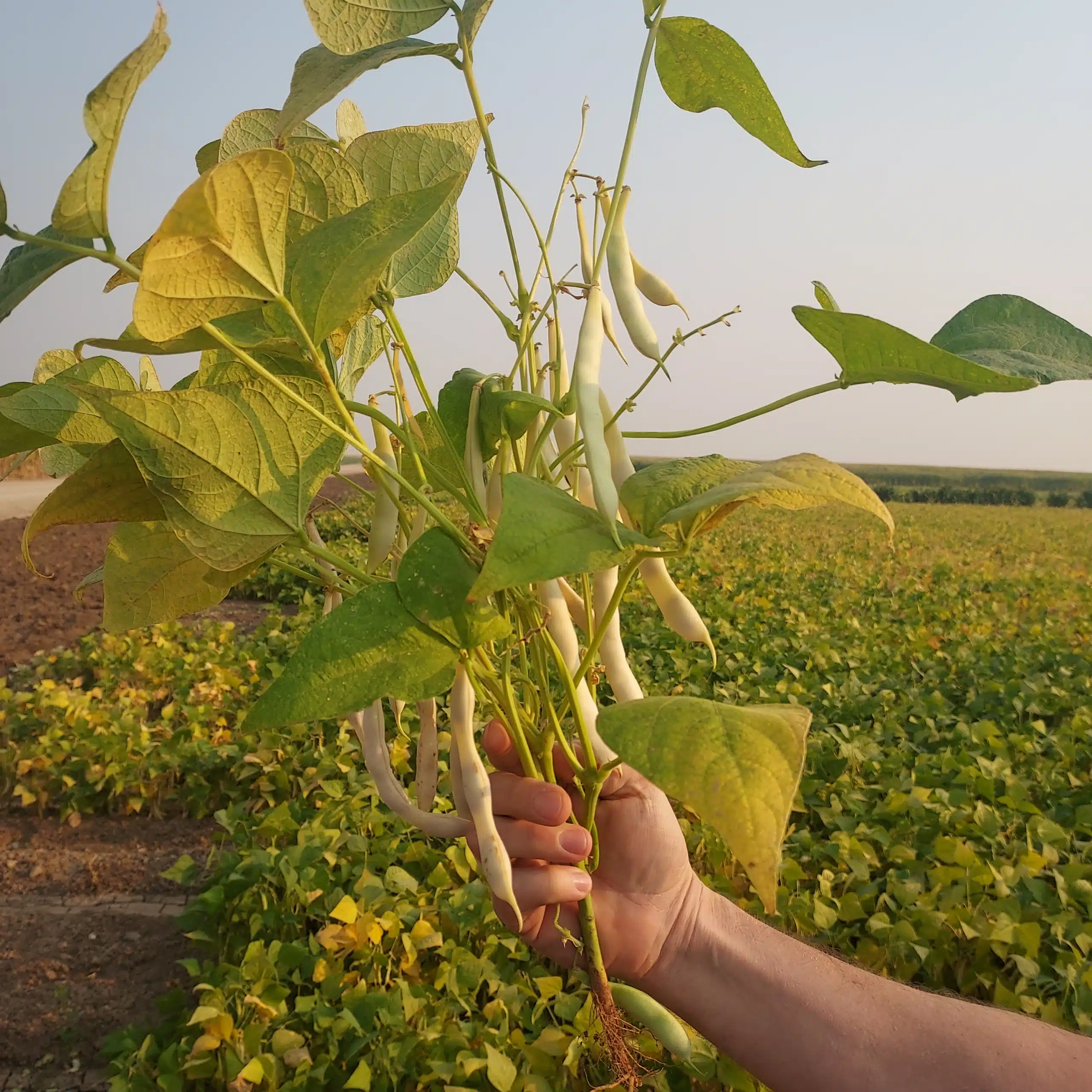
Dry beans are a priority for ID GRAIN.
This breeding program began with the screening of existing varieties and the establishment of strategic international partnerships.
We are working on improving the earliness, plant architecture, and their adaptation to mechanization. ID GRAIN also focuses on adaptation to various european agro-climatic conditions, stress factors, and the needs of the grain processing industry. Through our involvement in the production chain development, ID GRAIN ensures the mastery of production for its different varieties, in collaboration with producers and in partnership with processors.
Maple Peas and Lentils
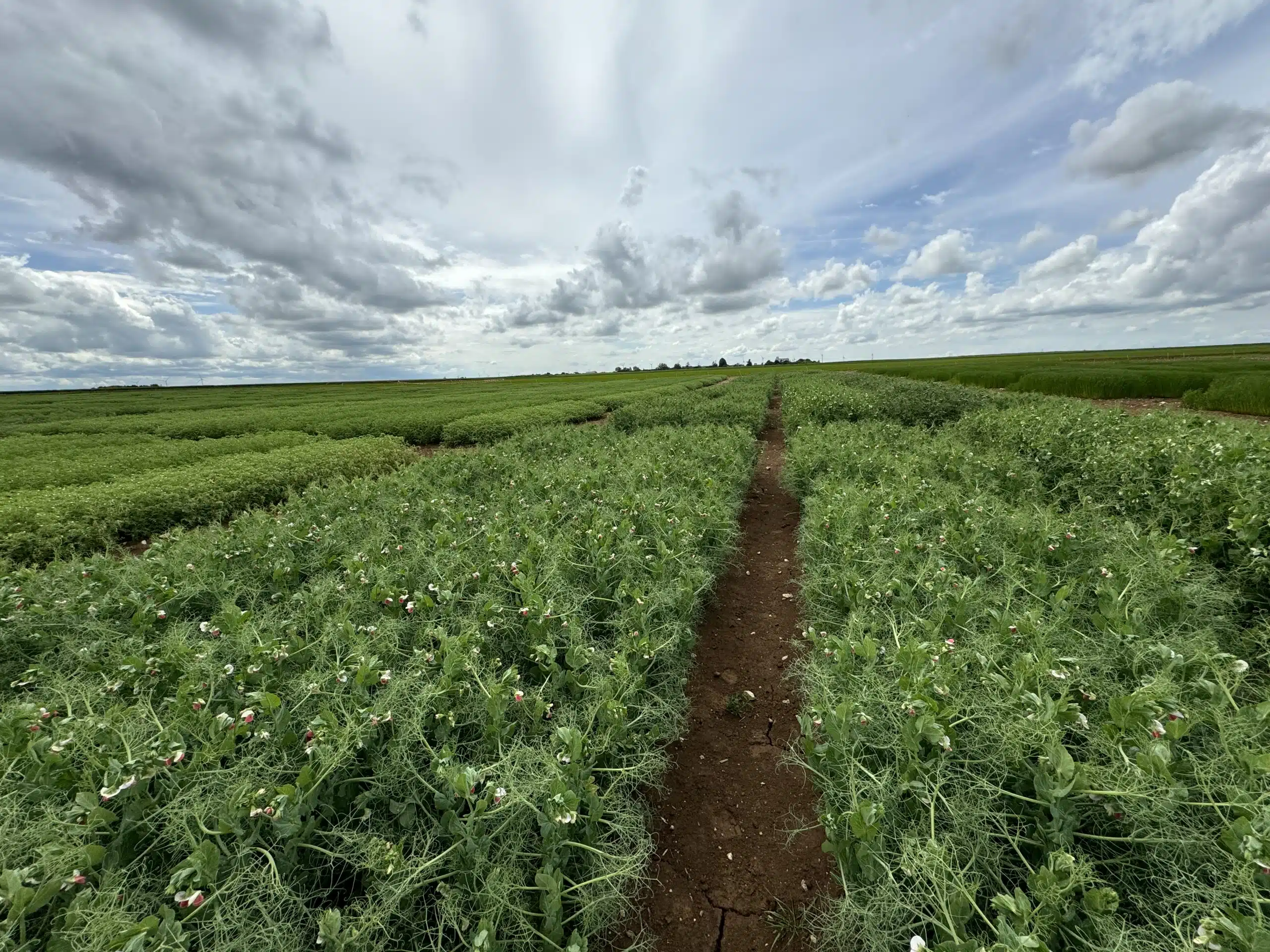
We conduct sourcing and screening work to identify high-performing maple pea and lentil varieties (blond, coral, black) that meet consumer demands.
Mung beans
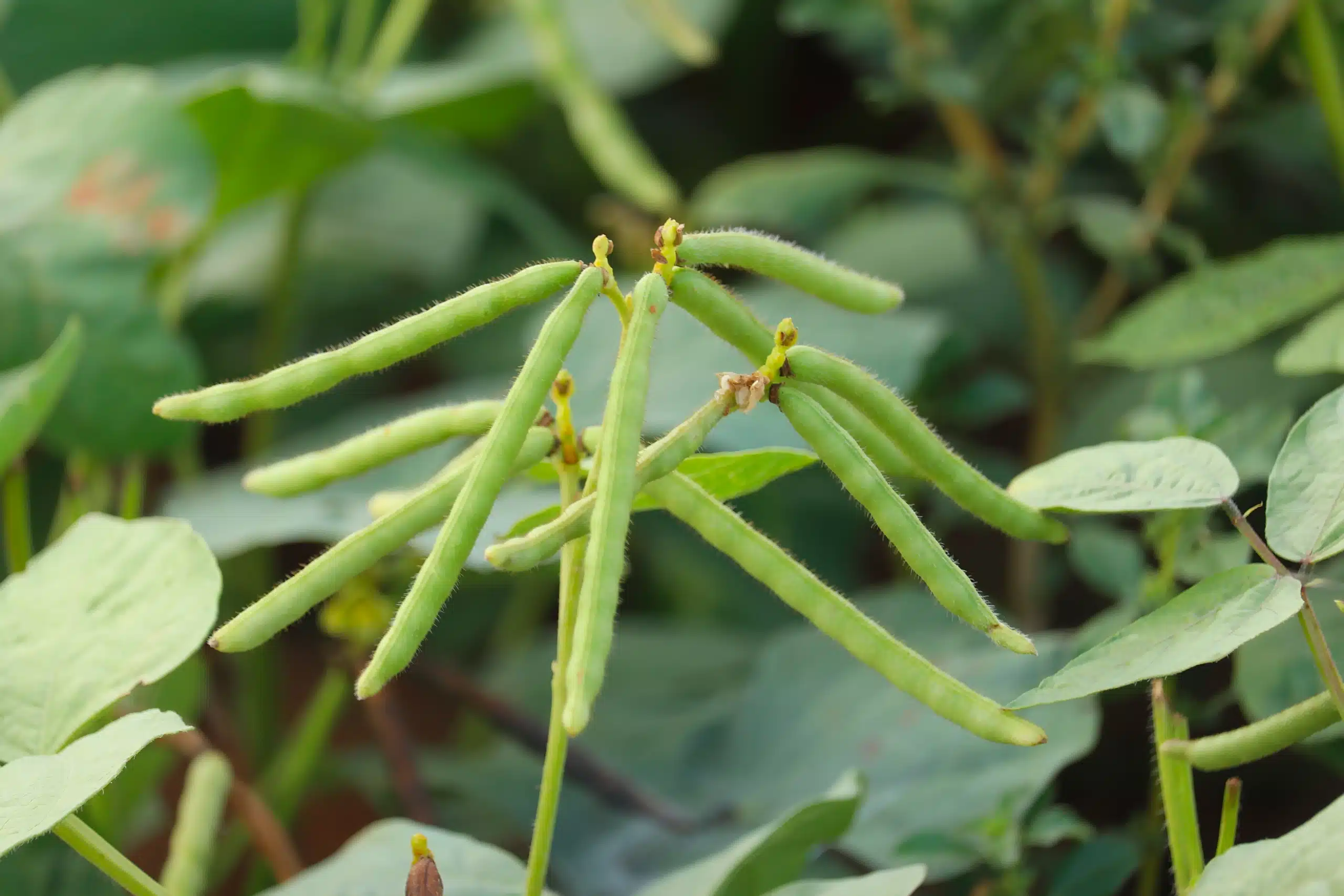
As a semi-tropical plant, Mung beans present a real challenge for adaptation to european climatic conditions.
Our program aims to create early-maturing and competitive genotypes in terms of yield, targeting the sprouting mung bean and plant protein markets. The first selection results show promising prospects for sustainable production in Europe.