
Food industry
Diversification of protein-rich grains
At ID GRAIN, we are committed to meeting the growing demand for plant-based proteins, essential for a healthy and sustainable diet. With the global population increasing and a greater awareness of environmental challenges, diversifying our protein sources has become crucial.
Our dedicated human nutrition chains offer a wide range of high-protein species and grains varieties. Grown in accordance with our varietal and agronomic recommendations, our seeds meet consumer expectations and processor specifications.
Our high quality seeds and grains
At ID GRAIN, we rigorously select our sowing seeds to ensure high quality and optimal protein content. Thanks to our expertise in agronomy and plant breeding, we develop products that meet nutritional needs and market expectations.
Discover our work in these specialized sectors, covering the entire value chain, from plant breeding, production and grain marketing.
Pulses
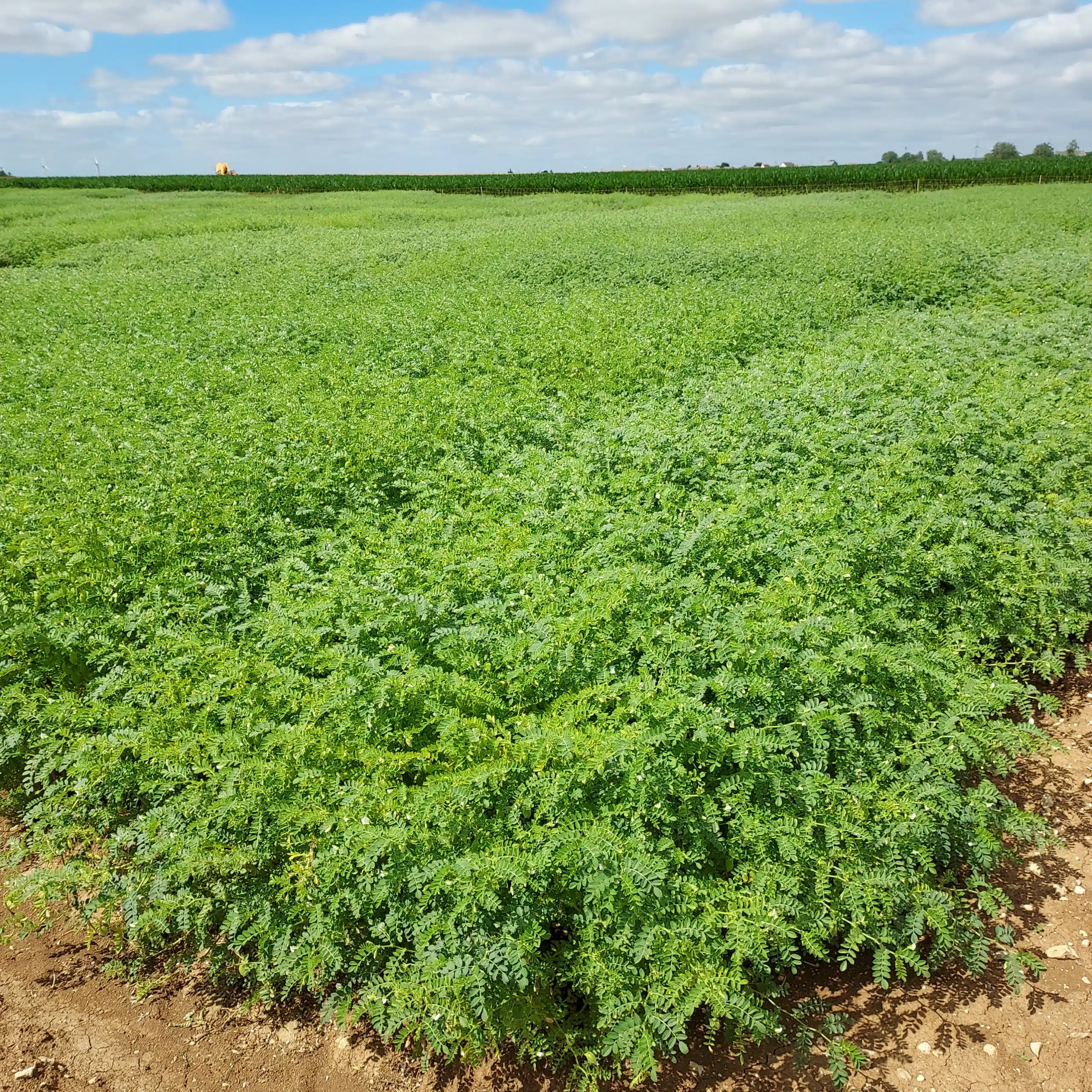
Pulses, such as chickpeas, beans and lentils, are an essential source of plant-based proteins. Rich in fiber, vitamins and minerals, they provide a balanced and sustainable alternative to animal proteins.
Sunflower
Edible sunflower by mouth is valued for its tasty and nutritious seedsbeing rich in unsaturated fatty acids, proteins, and fiber. Consumed as is or integrated into various culinary preparations, they offer numerous health benefits.
Buckwheat
Buckwheat, originally from Asia, is known for its nutritional benefits being rich in proteins, fiber, antioxidants, as well as being gluten free.
It is also appreciated for its culinary versatility.
Popcorn
Popcorn maize is a popular food, loved for its ability to quickly transform into a light and tasty snack. Rich in fiber and antioxidants, it provides nutritional benefits that are often underestimated.
Lin
At ID GRAIN we produce brown and yellow (golden) linseed (Golden). These precious seeds are used in both human and animal nutrition. Rich in omega-3 fatty acids, fiber and lignans, Linseed is known for its numerous health benefits.


Nutritional benefits
Pulses are rich in iron, magnesium and folate, essential for the proper functioning of the body. They are known for their cardiovascular health benefits and their ability to stabilize blood sugar levels.
They are also an excellent source of fiber, promoting better digestion and helping to prevent chronic diseases. Their low fat content makes them an ideal choice for a balanced diet.

Culinary uses
Easy to incorporate into various recipes, pulses are used in soups, salads, stews and even desserts. Their culinary versatility allows for the creation of delicious and nutritious dishes, suited to all tastes and dietary preferences.
Environmental impact
Growing pulses requires less water and fertilizer, making them a sustainable and environmentally friendly option. By promoting their consumption, we contribute to reducing the carbon footprint of our diet.

Nutritional benefits
Sunflower seeds are an excellent source of vitamin E, a powerful antioxidant that protects cells. They also contain phytosterols, which are beneficial for cardiovascular health, and minerals such as magnesium and selenium.
In addition, their high protein intake contributes to tissue building and repair in the body.

Culinary uses
Edible sunflower seeds can be enjoyed as a snack, either roasted or salted to enhance their flavor. Their crunchy texture and delicate taste make them a popular addition to many recipes. They are commonly added in salads, pastries or used as an ingredient in energy bars.

Nutritional benefits
Buckwheat is a high-quality source of protein, containing all essential amino acids. It is also rich in antioxidants, such as rutin, which supports cardiovascular health.
Additionally, it is naturally gluten-free, making it an ideal choice for people with celiac disease.

Culinary uses
Used in the production of flours, pastas and galettes, buckwheat is highly valued for its distinctive flavour and nutritional properties. It can be prepared as porridge, added to soups or used in bread and pastry recipes.

Environmental benefits
Buckwheat is a resilient crop that requires minimal pesticides and fertilizers. Its cultivation helps protect biodiversity and improve soil health, making buckwheat a sustainable and environmentally friendly crop.

Nutritional benefits
By choosing healthy preparation methods, such as without butter or sugar, popcorn can be part of a balanced diet. It is a nutritious alternative to highly processed, calorie -dense snacks.
In fact, popcorn is an important source of dietary fiber, contributing to satiety and good digestion. It also contains polyphenols, antioxidants that help fight free radicals and prevent chronic diseases.

Use in biomaterials
Due to its technical properties, popcorn grain can be used in extent applications such as in thermal insulation and bio-based packing particles industries.

Nutritional benefits
Linseed grains are an exceptional source of alpha-linolenic acid (ALA), an omega-3 fatty acid essential for cardiovascular health. They are also rich in soluble and insoluble fiber, promoting better digestion and helping to prevent chronic diseases. Additionally, they contain lignans, phytoestrogens with antioxidant properties, and may support hormonal health.

Culinary Applications
Linseed seeds can be consumed whole, ground, soaked, or as oil. They are commonly used in smoothies, cereals, breads and pastries. Their slightly nutty flavor enriches many recipes.

Industrial uses
Beyond food applications, linseed oil is used in the manufacture of paints, printing inks and linoleum. This wide range of industrial applications makes it a valuable resource for ID GRAIN, aligning with our mission of sustainability and innovation.
Additionally, flax fiber is finding interesting outlets in the bio-sourced insulation industry, offering eco-friendly solutions.