
Pulses - Peas, Beans, Lentils
Pea and pulse seeds: high-performance solutions with ID GRAIN
ID GRAIN supports the development of pulses' plant production chain by developing and marketing a wide range of species and varieties.
Thanks to our expertise, we offer high-quality pea and pulse seeds, suited for various industrial and agricultural uses, while contributing to sustainable plant production. Indeed, these legumes play a beneficial role in the diversification of agricultural crops as well as in human nutrition.
For these protein-rich crops, ID GRAIN develops a targeted offer of grains production contracts.
Performance and Competitiveness for ID Grain varieties
Chickpeas
ID GRAIN offers solutions based on chickpea seeds adapted to the requirements of industrial sectors.
These sowing seeds are optimized to ensure high yield and quality harvest.


Beans
Dry beans are an essential source of plant-based protein and fiber.
Various types are grown worldwide, recognized for their nutritional benefits and culinary versatility.
Maple peas
Maple pea is a small-sized pea with a marbled brown color.
It is valued for its high protein content and excellent nutritional value. It stands out for its unique taste and its intake of fiber and essential nutrients.
Lentils
Lentils are widely used in human nutrition, valued for their high protein, fiber and mineral content.
They are also valued in the food industry for their versatility, as they can be processed into various food products such as soups, purees, and ready-to-eat preparations.
Green and yellow peas
Peas are particularly appreciated in human and animal nutrition for their high protein and fiber content.

Cicer arietinum, Fabaceae (Fabaceae – Legume)
ID GRAIN focuses its researchefforts on developing early-maturing, hardy and disease-tolerant varieties (Ascochyta blight).
Our goal is to meet the demand of manufacturers for medium to large-sized grains.
Originally from the Middle East, chickpea cultivation is found worldwide, especially in the Mediterranean regions, India and North America.
Rich in protein, fiber and vitamins, Chickpeas play an important role in the human diet. They are consumed in various forms: whole grains, flour, hummus, or incorporated into prepared dishes.

Kabuli Chickpea
The Kabuli Chickpea is mainly intended for human consumption, its grains are generally larger, with a light color, ranging from white to beige.
It is mainly cultivated in the Mediterranean, Europe and North America where it enjoys strong demand. It is adapted to temperate and dry climates and requires well-drained soils.
DESI Chickpea
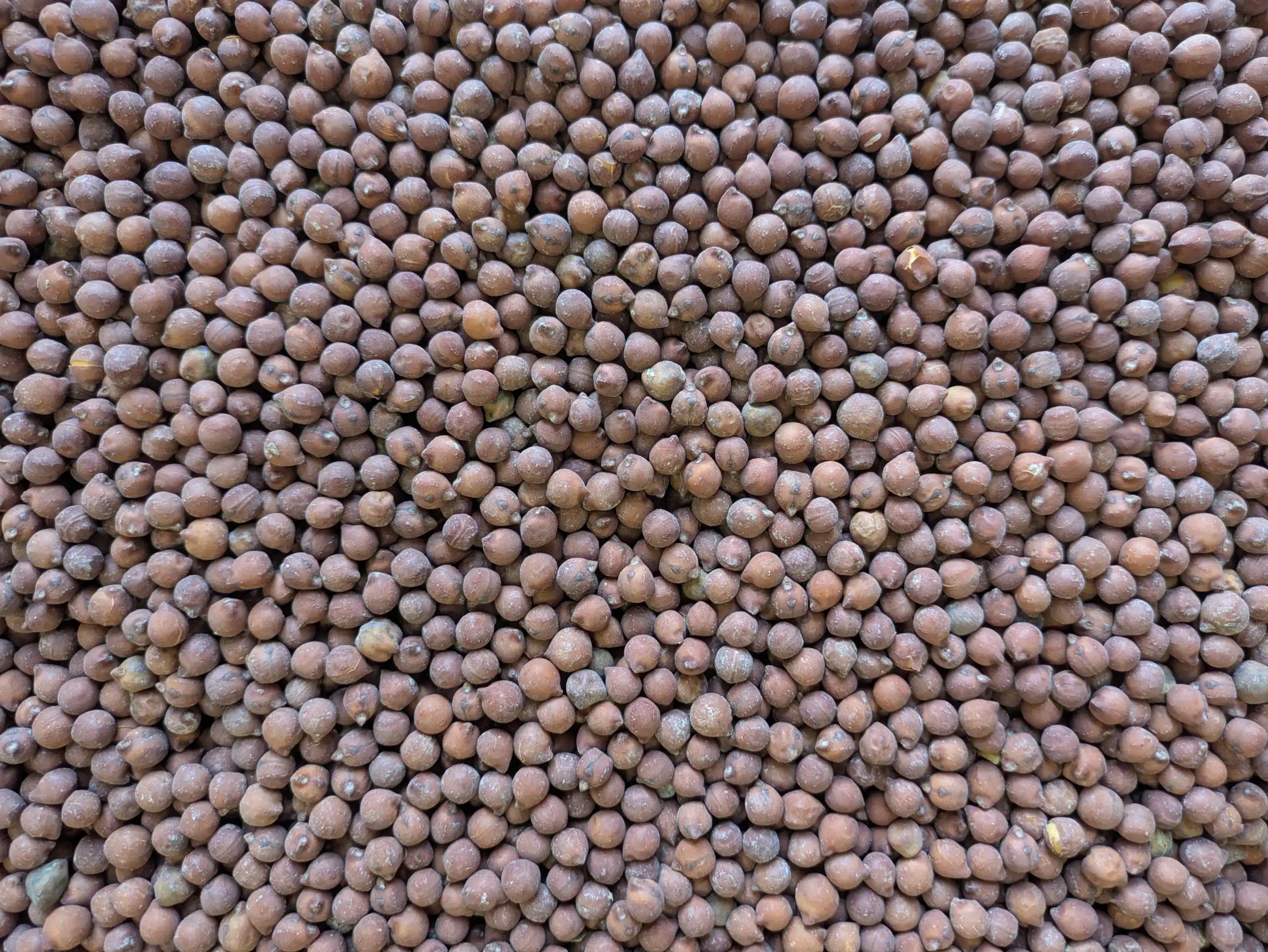
The DESI Chickpea is widely used in traditional South Asian dishes, often eaten hulled or grounded into flour. Its grains are smaller, angular, and often darker in color (brown, black, or green) with a thicker skin than Kabuli chickpeas.
More resistant to arid conditions, it adapts well to dry and hot climates. It is mainly cultivated in India, Pakistan and other regions of Asia.
Phaseolus vulgaris L., Fabaceae (Fabaceae – Legume)
Beans are valued for human consumption, from soups and salads to stews. Primarily intended for the food industry, they can also be used in animal feed.
Their cultivation is adapted to temperate climates, requiring well-drained soils and stable temperature for optimal growth.
ID GRAIN selects various types of beans for grain production:

Navy Bean
The Navy Bean with its round and full grain, is rich in complex carbohydratesand used in slow-cooked dishes.
It tolerates light and fertile soils well.

Dark Red Kidney
The Dark Red Kidney Bean is rich in iron and primarily used in cooked dishes, especially in Latin American and Asian cuisine.
It is grown in temperate regions, resistant to drought, and tolerates various soil types.

Borlotto Bean
The Borlotto Bean, also known as Borlotti, firetongue or cranberry bean, has marbled pods and grains and is rich in fiber. It is highly valued in cooking for its rich flavor and creamy texture and is commonly used in Mediterranean and Italian dishes, especially in soups or stews.
The Borlotto bean is also used in the food industry for canned production.
It is suited to temperate climates, requires well-drained soil and full sun exposure.

White Lingot Bean
The White Lingot Beanis generally more elongated with larger grains.
Firmer in texture, it holds its shape well after cooking.It is appreciated for its high protein and fiber content, making it a preferred ingredient in human nutrition, especially for slow-cooked dishes and cassoulets, as it withstands long cooking times.
This variety is well adapted to dry conditions, widespread in southwestern Europe.
Great Northern Bean (GN)
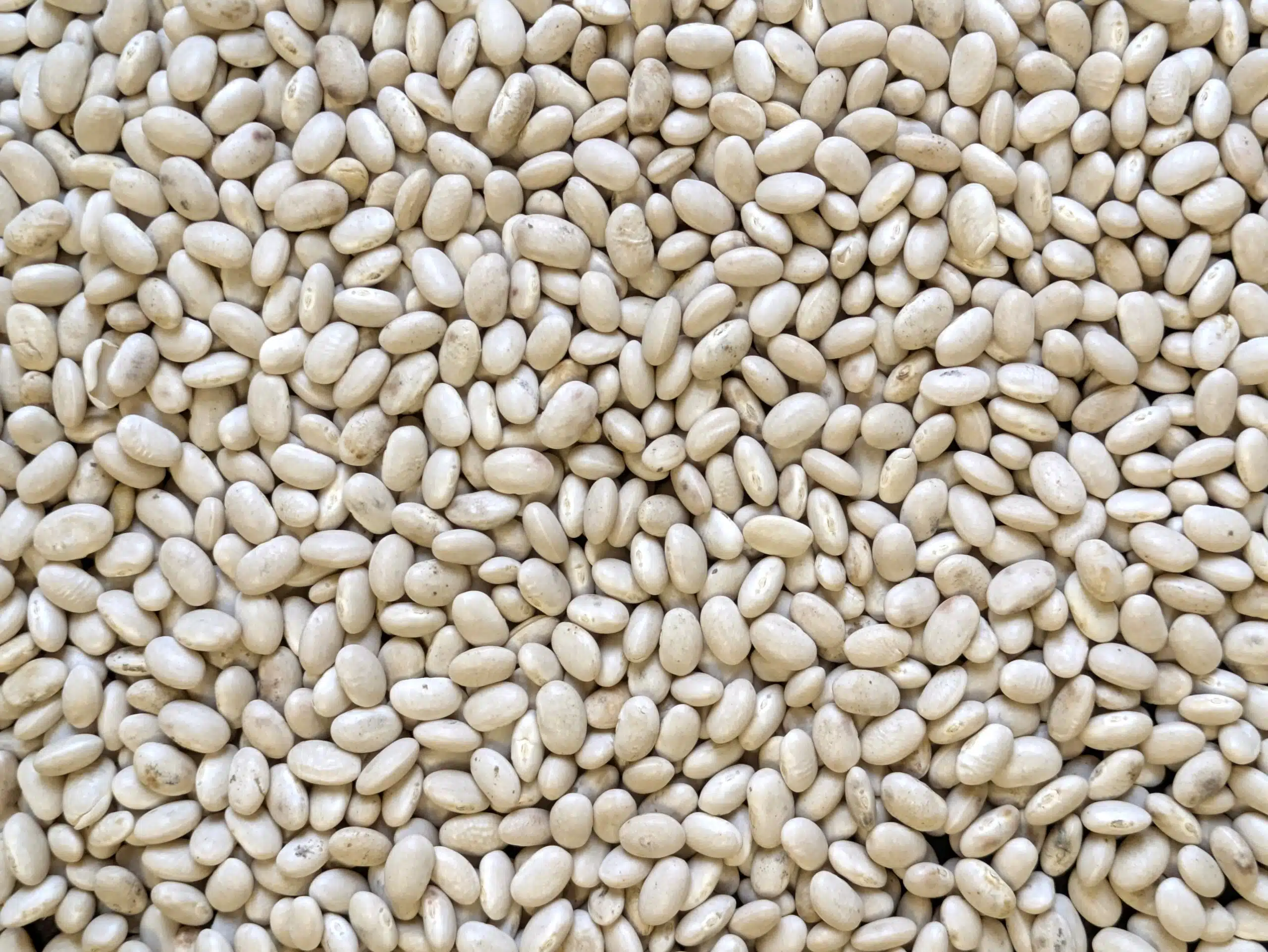
The Great Northern bean, a white bean rich in starch, is very popular in North America for its delicate flavor, creamy texture, and small grain size.
Great Northern Beans are mainly used in stews, soups and salads.
It is more resistant to cool climates, weather fluctuations, and heat than most other varieties and adapts to various soil types.

Black beans
The Black Bean, rich in protein and fiber, is valued for its slightly sweet flavor.
Widely used in South American and Caribbean cuisine, the Black Bean is a key ingredient in traditional dishes such as chili, soups and stews.
It is also processed in the food industry for canned or frozen products.
It is grown in tropical or temperate regions and prefers fertile, well-irrigated soils.

Mung Bean
Vigna radiata, Fabaceae (Fabaceae – Leguminosae)
Many other related species are also referred to as "beans", including those from the Vigna genus Vineyard, such as the Mung Bean.
The Mung bean, is also known as green soy due to its green seeds used in human nutrition. It is often consumed as sprouted seeds (commonly misnamed soybean sprouts) or used in noodles production.
Mung bean's grain is of great interest to the food industry due to its
neutral taste, diverse applications, high nutritional value and high digestibility.
In animal feed, it is processed into cattle cake due to its high protein content. It can be integrated into poultry feed formulations thanks to its good digestibility and a balanced nutritional intake of essential amino acids.
It is a short-cycle crop, adapted to tropical and subtropical regions. Mung bean is renowned for its resilience in harsh climatic conditions (drought, poor soils) and its beneficial role in crop rotation.
Pisum sativum, Fabaceae (Fabaceae – Legume)
The Maple pea is used in human nutrition, particularly in prepared dishes, and the food industry, often incorporated into vegetarian and vegan meals.
It is also valued in the production of plant-based proteins for Pet Food (bird feeding).
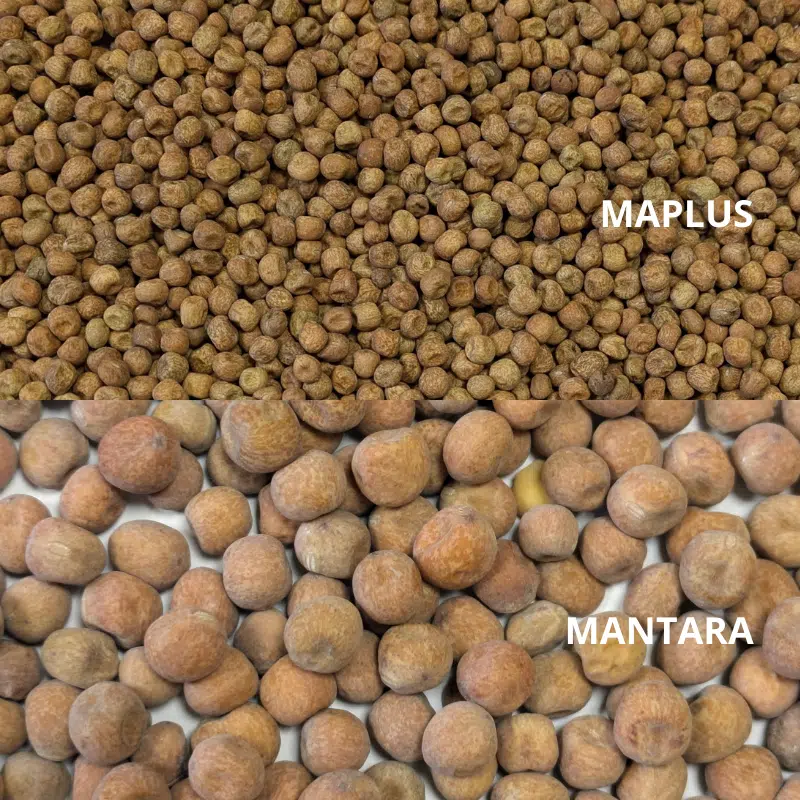
We distinguish the MAPLUS variety of Maple Pea type and MANTARA variety of Dun Pea type.
Its cultivation adapts well to various soil types and temperate climates. Thanks to its ability to fix atmospheric nitrogen, it contributes to improving soil quality.
Lens culinaris, Fabaceae (Fabaceae – Leguminosae)
Lentil is an annual legume, valued for its ability to improve soil fertility through atmospheric nitrogen fixation.
It is a short-cycle crop that values medium to shallow soils.
Blonde Lentils
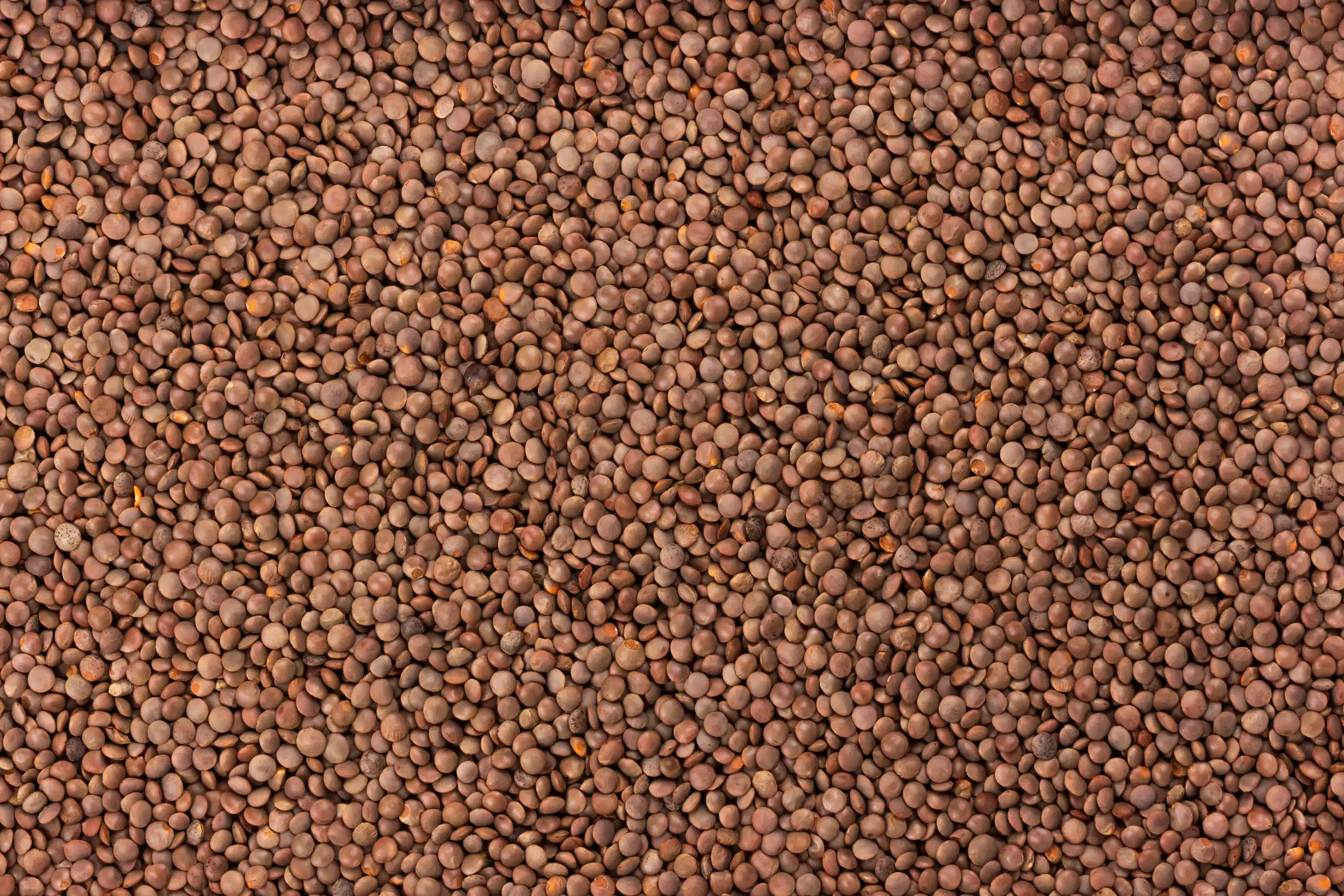
The blond lentilis known for its pale yellow to golden grains.
Used in various culinary preparations, it is
rich in protein and fiber, making it ideal for soups, salads and main dishes.

Red and coral lentils
The red lentil is characterized by its reddish-orange color.
It is used in various cuisines around the world for its nutritional qualities and quick cooking time, especially in soups, stews and purees.
Coral lentil is actually a hulled red lentil, which makes its cooks faster than other lentils.

Green Lentils
The green lentilis commonly used in salads, soups and slow-cooked dishes due to its firm texture and excellent cooking stability.
Pisum sativum, Fabaceae (Fabaceae – Legume)
Adapted to various temperate climates, the pea is particularly resistant to cool and moderately dry conditions, making it an ideal crop for regions with short winters and mild summers.

Green pea
In human nutrition, dry green peas are consumed in soups, purees and other preparations.
When harvested young, peas are eaten fresh (fresh peas or green peas) or frozen, highly valued for their sweet taste.
In animal feed, dried green peas serve as a protein source in rations for livestock, poultry and pigs.

Yellow Pea
The yellow pea, richer in starch, is mainly consumed in the form of flours and purees.
Our seeds and grains
Chickpeas
OUR SEEDS

OUR GRAINS
KABULI
Contact us
KABULI ORGANIC
Contact us
DESI hulled 'Chana Dahl' - OLGA
Contact us
DESI unhulled- OLGA
Contact us
Beans
OUR SEEDS
OUR GRAINS

White Coco Bean Navy Bean Contact us
Red Bean DRK
Contact us
Red bean DRK ORGANIC
Contact us
Borlotto Bean
Contact us
White Lingot Bean
Contact us

Great Northern Bean (GN)
Contact us
Mung bean
Contact us
Maple peas
OUR SEEDS
OUR GRAINS
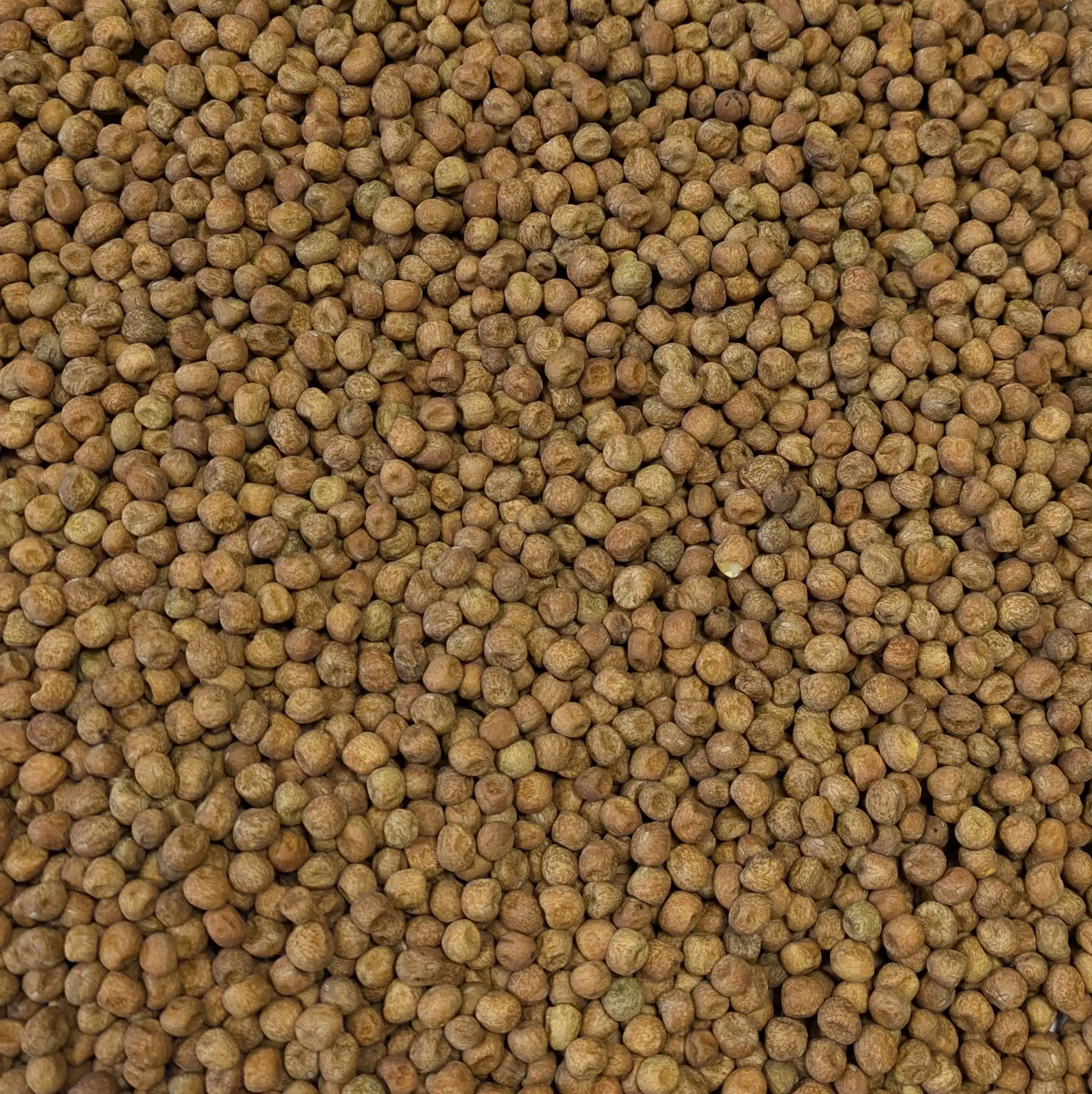
Maple Pea MAPLUS
Contact us
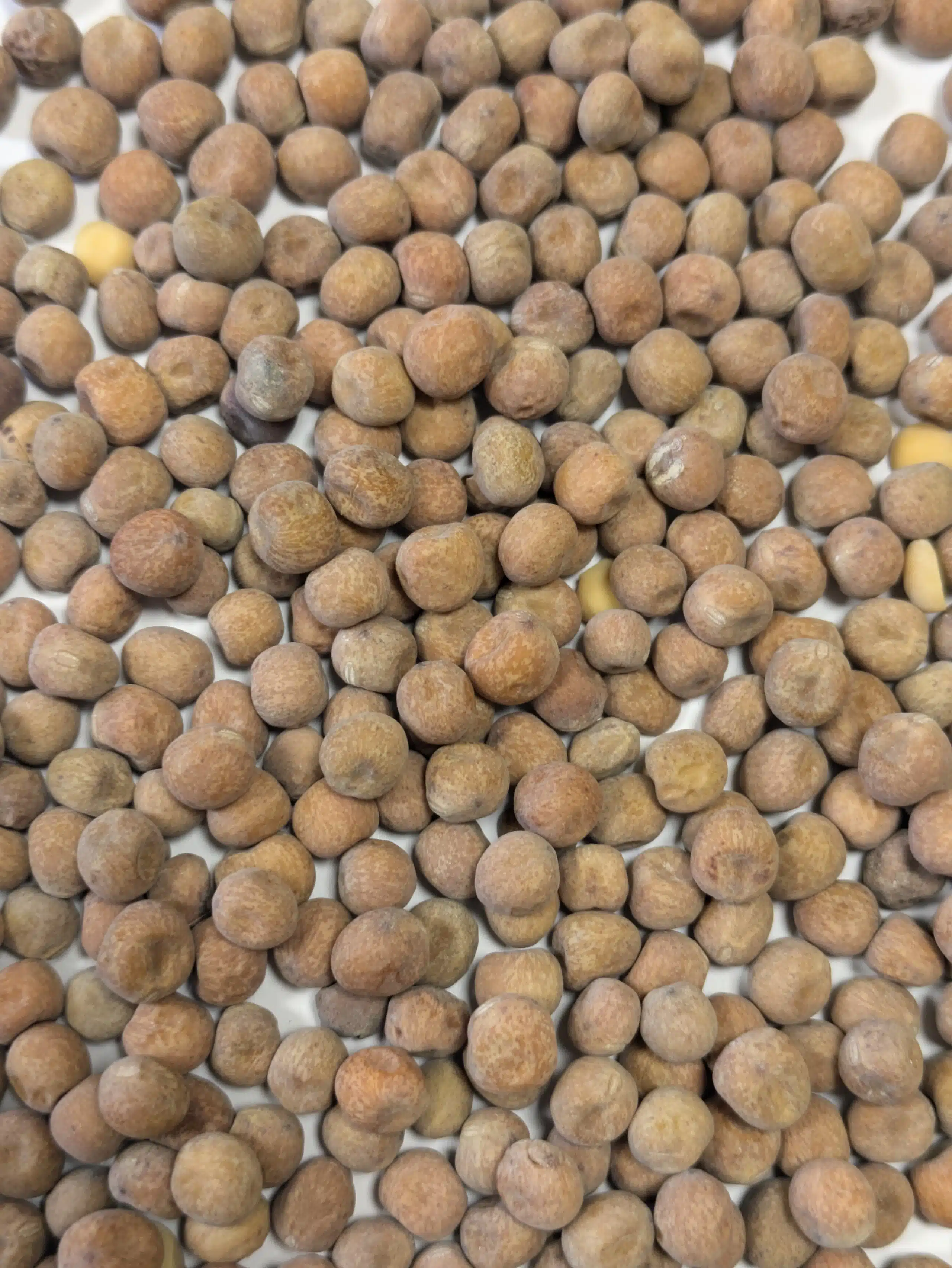
Maple pea MANTARA
Contact us
Lentils
OUR SEEDS
OUR GRAINS
Green and yellow peas
OUR SEEDS
OUR GRAINS
Green Pea
Contact us
Yellow Pea
Contact us
Learn more about pulses
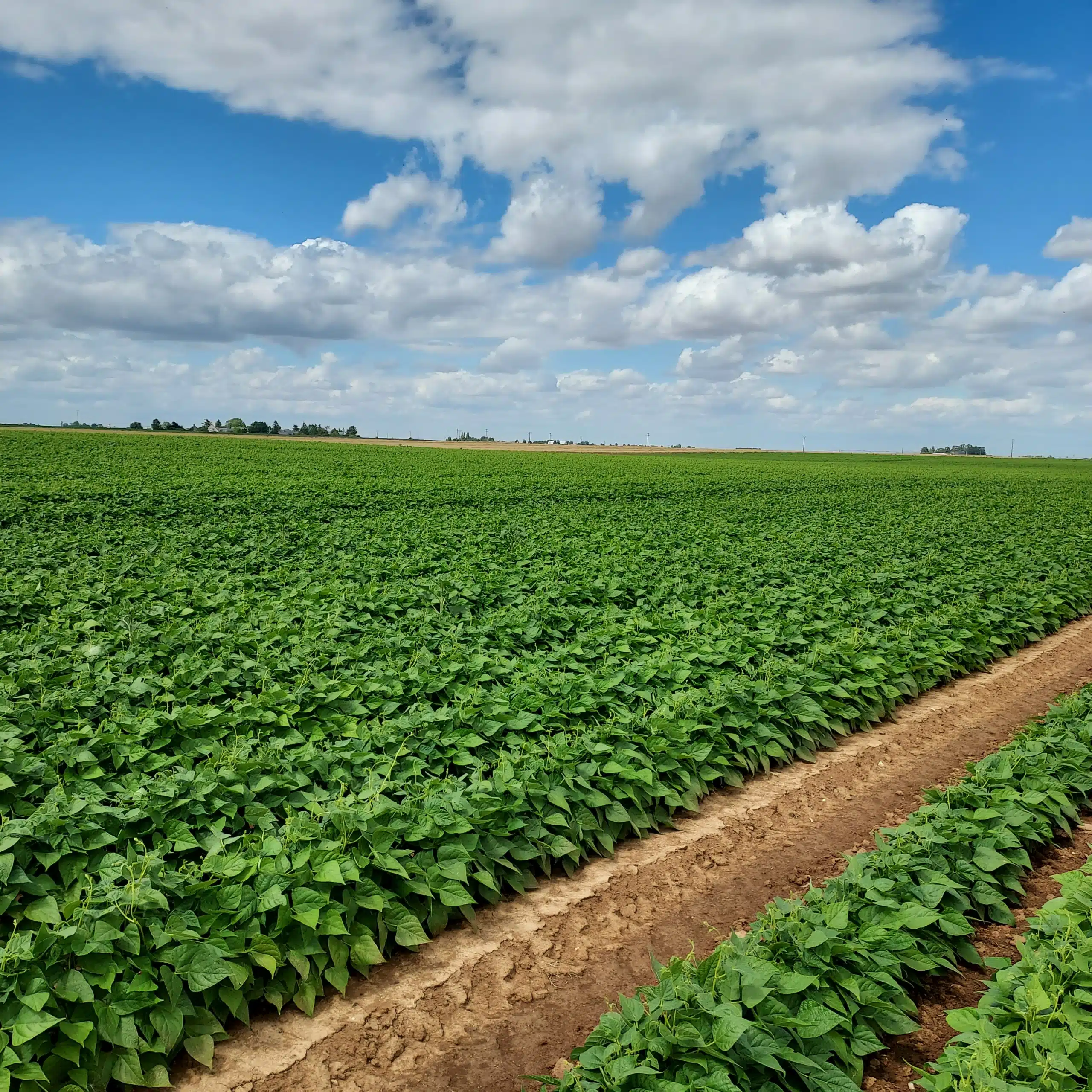
Benefits in crop diversification
Pulses belong to the legume family (Fabaceae). They have the ability to fix atmospheric nitrogen and thanks to their deep taproots, improve soil structure, promote water retention and soil aeration. This helps reduce the need for nitrogen fertilizers. Their cultivation has a lower carbon footprint compared to animal protein production.
Integrating pea seeds into crop rotations helps prevent soil depletion and combat erosion.
The cultivation of chickpeas and other pulses from high-quality pea seeds supports farm sustainability and reduces environmental impact. Their production requires less energy, water and agricultural land, while emitting significantly less CO₂.
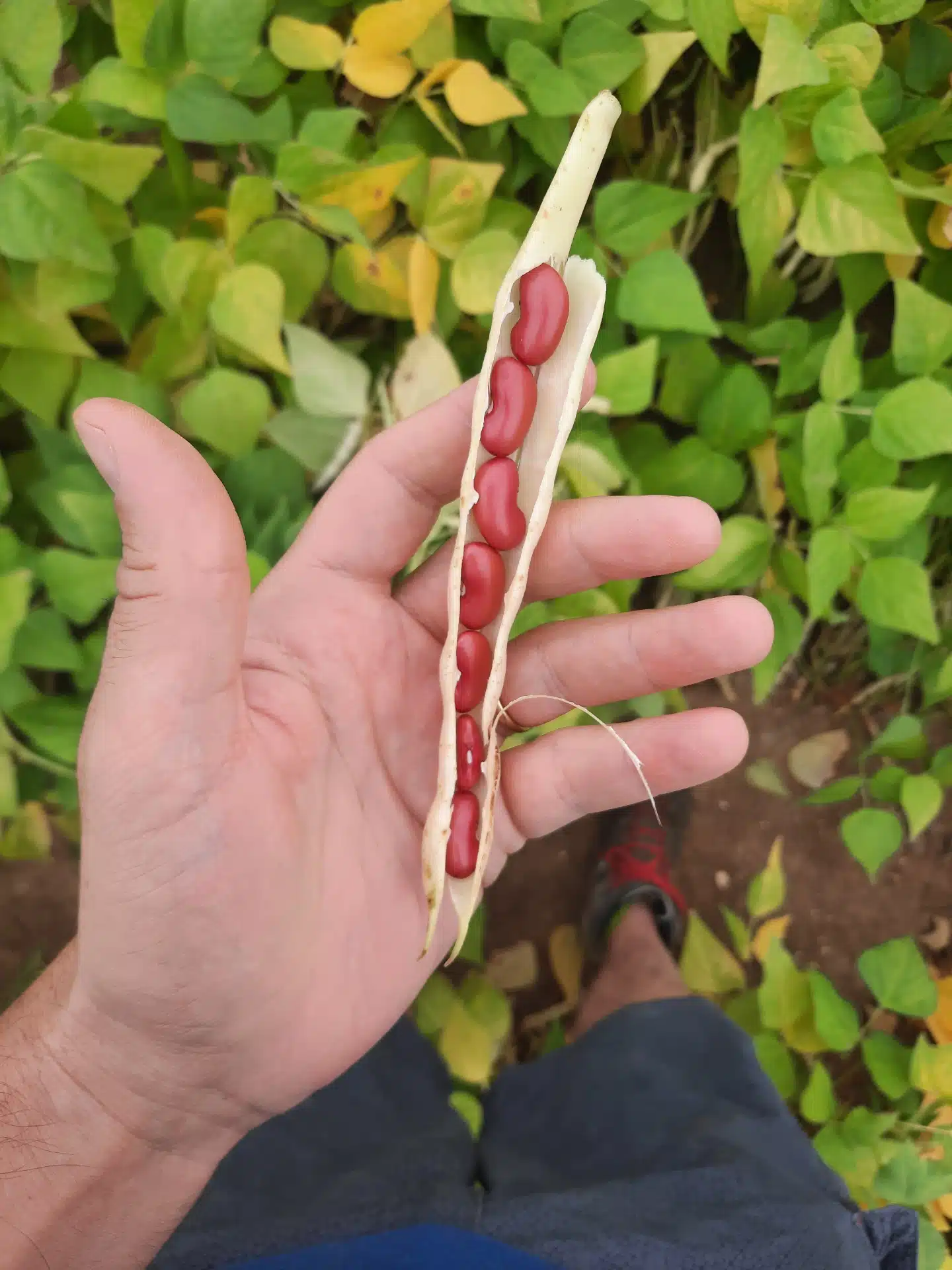
Benefits of dietary diversification
In terms of use, chickpeas, beans, lentils and other legumes are essential sources of plant-based proteins, fiber, vitamins and minerals for human nutrition. They can be processed into flour, protein ingredients and derivative products.
This added value strengthens the role of pea and pulses seeds in sustainable and competitive agriculture. Indeed, pulses are not only a nutritious and alternative source of plant-based proteins, but also offer significant environmental benefits.